Author: TLMSADMNACHM2026

  • Near-infrared Spectroscopy In Hyperbaric Medicine And Wound Care

    Near-infrared Spectroscopy In Hyperbaric Medicine And Wound Care

    Near-infrared Spectroscopy In Hyperbaric Medicine And Wound Care


    ADVANCING THE FUTURE OF WOUND CARE THROUGH OBJECTIVE TISSUE ASSESSMENT

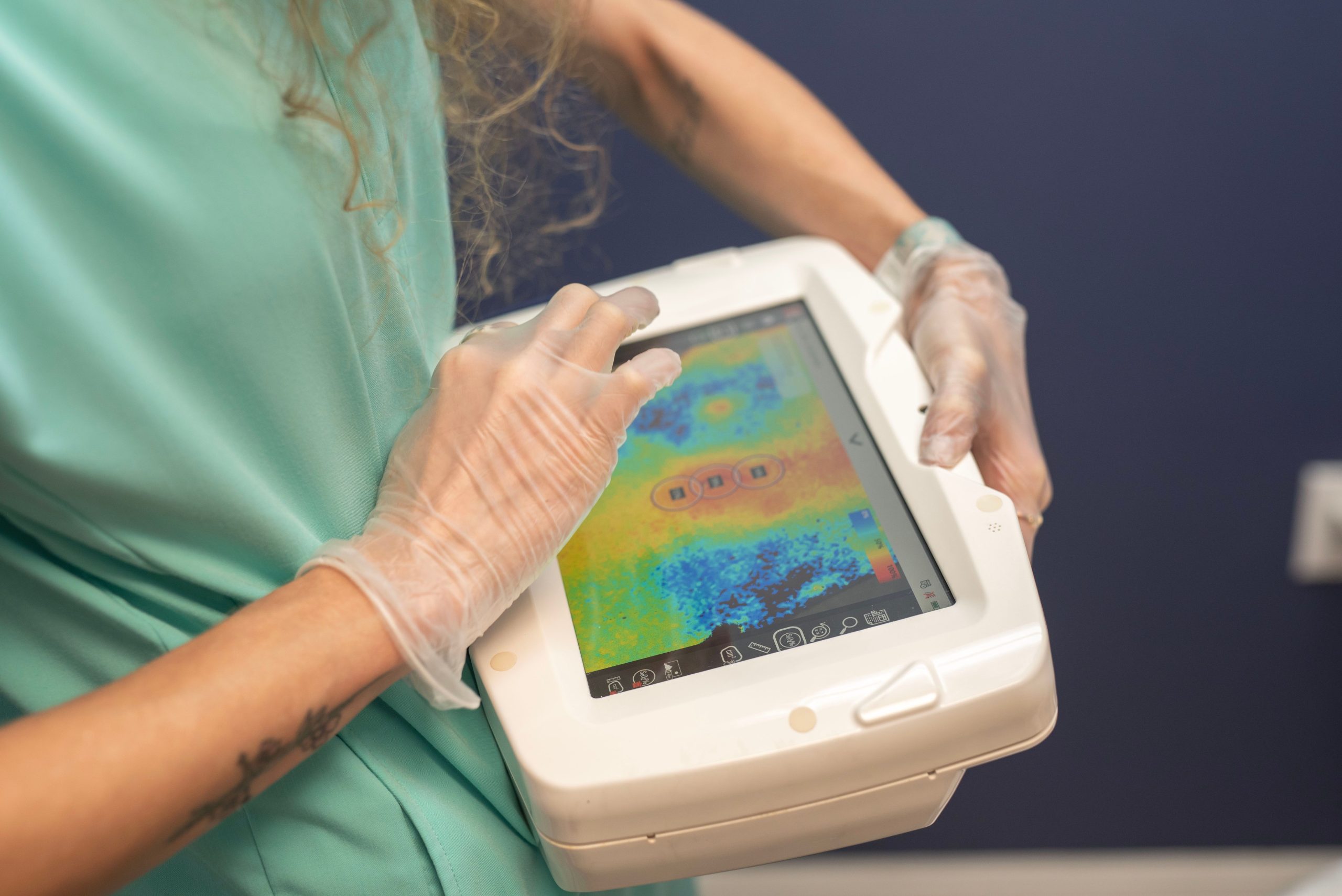
    The American College of Hyperbaric Medicine (ACHM) strongly supports the continued advancement and responsible integration of innovative technologies that improve our ability to evaluate, understand, and treat complex wounds. Near-infrared spectroscopy (NIRS) represents an exciting advancement in modern wound care and hyperbaric medicine. The ability to obtain objective, noninvasive information regarding tissue oxygenation provides clinicians with another important window into the physiology of a wound—information that can complement the physical examination and other established diagnostic tools.1-3 As medicine continues to move toward precision care, the ACHM believes that technologies that allow clinicians to measure tissue physiology rather than simply observe wound appearance have an important role in the future of wound management.

    NIRS AND HYPERBARIC MEDICINE

    Oxygen is fundamental to wound healing,4 and tissue oxygenation is particularly relevant to hyperbaric medicine.5 Hyperbaric physicians routinely evaluate patients in whom tissue oxygenation, perfusion, vascular status, infection, inflammation, and the overall wound environment all contribute to healing. NIRS technology can provide valuable objective information that may help clinicians better understand these physiologic conditions.6,7 This is especially exciting because NIRS assessment can be performed noninvasively and without disturbing the wound, allowing clinicians to evaluate tissue in a manner that can complement traditional clinical assessment.3,6 The ACHM views NIRS as an important addition and diagnostic tool to the modern hyperbaric physician’s clinical toolbox.

    FROM WHAT WE SEE TO WHAT WE CAN MEASURE

    Traditional wound assessment appropriately relies upon careful examination, wound measurements, vascular evaluation, imaging, laboratory information, and clinical judgment. Technology now gives us the opportunity to go further. NIRS allows clinicians to ask an additional and important question: What is happening physiologically within the tissue?

    That information may assist clinicians in:

    ➢ Establishing an objective tissue-oxygenation baseline
    ➢ Evaluating areas of compromised tissue
    ➢ Monitoring physiologic changes during treatment
    ➢ Supporting assessment of treatment response
    ➢ Complementing vascular and wound evaluations
    ➢ Helping guide multidisciplinary wound-care discussions
    ➢ Building a more objective picture of the patient’s healing environment

    Clinical studies have demonstrated that NIRS-derived measures of tissue oxygenation can be used to track wound progression over time and may help identify which wounds are likely to heal.8-11 NIRS has also been used to document changes in wound oxygenation following revascularization and hyperbaric oxygen therapy.7,12 The ACHM believes this represents an important step toward precision wound care.

    NIRS IS A COMPLEMENTARY TECHNOLOGY

    The ACHM emphasizes that NIRS is intended to complement—not replace—clinical judgment and established standards of care. The wound-care physician remains responsible for integrating the complete clinical picture, including the patient’s history, examination, vascular status, wound characteristics, infection status, nutrition, glycemic control, debridement, off-loading, imaging, and other appropriate assessments. NIRS adds another dimension to that evaluation. It provides information that can be incorporated into the physician’s overall clinical decision-making process and may help us better understand how tissue is responding over time.

    SUPPORTING CONTINUED INNOVATION

    The ACHM recognizes that medical technology continues to evolve and that evidence surrounding emerging technologies should continue to develop. We strongly support ongoing research into NIRS technology, including studies examining clinical outcomes, standardized protocols, patient selection, reproducibility, and the relationship between measured tissue oxygenation and healing.2,15 At the same time, continued research should occur alongside responsible clinical use and innovation. The ACHM encourages clinicians, researchers, manufacturers, policymakers, and payers to work together to establish the strongest possible evidence base and to identify the patients and clinical circumstances in which NIRS provides the greatest value.

    THE FUTURE OF WOUND CARE

    The future of wound care will increasingly involve technologies that allow clinicians to understand wounds at a deeper physiologic level. We are moving beyond simply asking, “Does the wound look better?” We are increasingly able to ask, “Is the tissue becoming healthier?”

    That is an important evolution. For hyperbaric medicine in particular, where tissue oxygenation is central to the biologic effects of treatment, objective assessment of tissue oxygenation has tremendous potential to enhance patient evaluation and clinical decisionmaking.5-7 The ACHM believes that NIRS technology is an important part of this evolution.

    ACHM POSITION

    The American College of Hyperbaric Medicine supports:

    ➢ Continued advancement of NIRS.
    ➢ Appropriate clinical use of NIRS as a diagnostic tool to comprehensive wound and
    hyperbaric evaluation.
    ➢ Continued research and development of standardized clinical protocols.
    ➢ Objective measurement of tissue physiology as an important component of
    precision wound care.
    ➢ Collaboration among clinicians, researchers, technology developers, and
    policymakers.
    ➢ Thoughtful consideration of coverage policies that recognize the evolving role of
    innovative technologies in modern wound care.

    CONCLUSION

    The American College of Hyperbaric Medicine believes that technology should help us see more, measure more, and ultimately understand our patients better. NIRS tissue oxygenation assessment represents an exciting opportunity to bring greater objectivity and physiologic understanding to wound care and hyperbaric medicine. As physicians, our responsibility is to continually seek better ways to evaluate our patients, improve our decision-making, and advance healing. NIRS is an important part of that future. The ACHM proudly supports continued innovation, responsible clinical implementation, and rigorous research to further define how this technology can improve the care of patients with complex wounds. The future of wound care is objective, physiologic, data-informed, and patient-centered—and NIRS technology has an important role in helping us get there.

    REFERENCES

    1. Jöbsis FF. Noninvasive, infrared monitoring of cerebral and myocardial oxygen
      sufficiency and circulatory parameters. Science. 1977;198(4323):1264-1267.
      doi:10.1126/science.929199
    2. Sowa MG, Kuo WC, Ko AC, Armstrong DG. Review of near-infrared methods for wound
      assessment. J Biomed Opt. 2016;21(9):091304. doi:10.1117/1.JBO.21.9.091304
    3. Landsman AS, Barnhart D, Sowa M. Near-infrared spectroscopy imaging for assessing
      skin and wound oxygen perfusion. Clin Podiatr Med Surg. 2018;35(3):343-355.
      doi:10.1016/j.cpm.2018.02.005
    4. Sen CK. Wound healing essentials: let there be oxygen. Wound Repair Regen.
      2009;17(1):1-18. doi:10.1111/j.1524-475X.2008.00436.x
    5. Fife CE, Smart DR, Sheffield PJ, Hopf HW, Hawkins G, Clarke D. Transcutaneous
      oximetry in clinical practice: consensus statements from an expert panel based on
      evidence. Undersea Hyperb Med. 2009;36(1):43-53.
    6. Serena TE, Yaakov R, Serena L, et al. Comparing near infrared spectroscopy and
      transcutaneous oxygen measurement in hard-to-heal wounds: a pilot study. J Wound
      Care. 2020;29(Sup6):S4-S9. doi:10.12968/jowc.2020.29.Sup6.S4
    7. Longobardi P, Hartwig V, Santarella L, et al. Potential markers of healing from near
      infrared spectroscopy imaging of venous leg ulcer: a randomized controlled clinical
      trial comparing conventional with hyperbaric oxygen treatment. Wound Repair Regen.
      2020;28(6):856-866. doi:10.1111/wrr.12853
    8. Weingarten MS, Neidrauer M, Mateo A, et al. Prediction of wound healing in human
      diabetic foot ulcers by diffuse near-infrared spectroscopy: a pilot study. Wound Repair
      Regen. 2010;18(2):180-185. doi:10.1111/j.1524-475X.2010.00583.x
    9. Weingarten MS, Samuels JA, Neidrauer M, et al. Diffuse near-infrared spectroscopy
      prediction of healing in diabetic foot ulcers: a human study and cost analysis. Wound
      Repair Regen. 2012;20(6):911-917. doi:10.1111/j.1524-475X.2012.00843.x
    10. Lin BS, Chang CC, Tseng YH, et al. Using wireless near-infrared spectroscopy to predict
      wound prognosis in diabetic foot ulcers. Adv Skin Wound Care. 2020;33(1):1-12.
      doi:10.1097/01.ASW.0000613552.50065.d5
    11. Landsman A. Visualization of wound healing progression with near infrared
      spectroscopy: a retrospective study. Wounds. 2020;32(10):265-271. PMID:33370248
    12. Schremmer J, Stern M, Baasen S, et al. Impact of peripheral angioplasty on wound
      oxygenation and healing in patients with chronic limb-threatening ischemia measured
      by near-infrared spectroscopy. Biomedicines. 2024;12(8):1805.
      doi:10.3390/biomedicines12081805
    13. Fitridge R, Chuter V, Mills J, et al. The intersocietal IWGDF, ESVS, SVS guidelines on
      peripheral artery disease in people with diabetes and a foot ulcer. Diabetes Metab Res
      Rev. 2024;40(3):e3686. doi:10.1002/dmrr.3686
    14. Kelso MR, Ohrt AR, Brunkan E, et al. Use of near infrared spectroscopy in post-acute
      care: analysis of real-world clinical decision-making. J Wound Care.
      2025;34(Sup6):S6-S14. doi:10.12968/jowc.2025.0172
    15. Oropallo A, Ortega-Loayza AG, Korzendorfer H, et al. Advancing chronic wound care
      with near-infrared spectroscopy imaging: clinical applications, measurement
      parameters, and insights into healing dynamics. Wounds. 2025;37(10):384-392.
      doi:10.25270/wnds/25041

    Tyler Sexton, MD
    President, American College of Hyperbaric Medicine
  • American College of Hyperbaric Medicine Unites with the APWCA to Strengthen the Future of Wound Care and Hyperbaric Medicine
    American College of Hyperbaric Medicine Unites with the APWCA to Strengthen the Future of Wound Care and Hyperbaric Medicine
    American College of Hyperbaric Medicine Unites with the APWCA to
    Strengthen the Future of Wound Care and Hyperbaric Medicine


    In a historic step toward advancing clinical excellence, interdisciplinary collaboration, and advocacy, the
    American College of Hyperbaric Medicine (ACHM) is proud to announce its unification with the American
    Professional Wound Care Association (APWCA). This strategic alignment signifies a monumental milestone for
    the hyperbaric and wound care community, uniting two respected organizations under one visionary mission to
    elevate the standard of care and support for providers across the healing spectrum.

    A Legacy of Excellence, A Unified Future

    The ACHM, long recognized as a leader in hyperbaric medicine education, credentialing, and clinical practice
    standards, brings a distinguished history of innovation and thought leadership to this unification. The APWCA,
    known for its deep commitment to interdisciplinary wound care advocacy, education, and policy engagement,
    offers an expansive platform for collaboration across clinical specialties. Together, this unified organization will
    be a beacon for evidence-based practice, professional development, and patient-centered innovation in both
    wound care and hyperbaric medicine.

    A Strategic Alliance with Impact

    “This unification represents more than administrative alignment – it’s a profound and purposeful
    integration of vision,” said Bill Tettlebach, President of APWCA. “With the ACHM’s exceptional
    leadership in hyperbaric science and the APWCA’s interdisciplinary reach in wound care, we are forging
    a dynamic coalition capable of shaping policy, education, and clinical practice at a national scale.”

    Members of both organizations will benefit from:

    •  Expanded educational opportunities including HBOT-specific CME, clinical pathways, and cross-disciplinary
    symposia
    •  Unified representation in legislative and regulatory advocacy
    •  Enhanced peer networking across wound care, surgery, podiatry, nursing, and hyperbaric medicine
    •  Stronger credentialing and professional development pathways to promote excellence in practice

    Strengthening the Profession, Empowering Clinicians

    The integration of the ACHM within the APWCA reinforces the central role of hyperbaric medicine within modern wound healing frameworks. As chronic wounds and tissue hypoxia remain formidable clinical challenges, this
    unification ensures the voice of the hyperbaric professional is amplified, and their expertise fully integrated into
    national conversations around standards of care, access to therapy, and interdisciplinary collaboration.”Hyperbaric oxygen therapy is no longer a fringe therapy – it is a pillar of advanced wound care. This unification honors that truth and provides the infrastructure we need to move forward together,” said
    Tyler Sexton, MD, MAPWCA, President of the ACHM.

    About the American Professional Wound Care Association (APWCA)

    Founded with the mission to advance multidisciplinary wound care through education, advocacy, and
    collaboration, the APWCA represents healthcare professionals dedicated to improving outcomes in wound
    healing and tissue repair.

    About the American College of Hyperbaric Medicine (ACHM)
    The ACHM has long been a steward of excellence in hyperbaric medical education, clinical standards, and
    provider certification. Its mission has been to promote the responsible and evidence-based use of HBOT in
    clinical practice.Tyler Sexton, MD
    Medical Director, TrueHyperbarRx

  • ACHM Statement for Legislative Use

    ACHM Statement for Legislative Use

    Statement From The American College Of Hyperbaric Medicine


    Position Statement on Hyperbaric Oxygen Chambers for Legislative Use

    Issued by:
    Tyler Sexton, MD
    President, American College of Hyperbaric Medicine
    Overview

    The American College of Hyperbaric Medicine (ACHM) supports the safe, medically appropriate, and evidence-based practice of hyperbaric oxygen therapy (HBOT). As legislators consider standards for the State of Michigan Hyperbaric Bill, the ACHM submits this position statement to clarify which devices meet accepted clinical, regulatory, and engineering criteria for medical hyperbaric therapy.
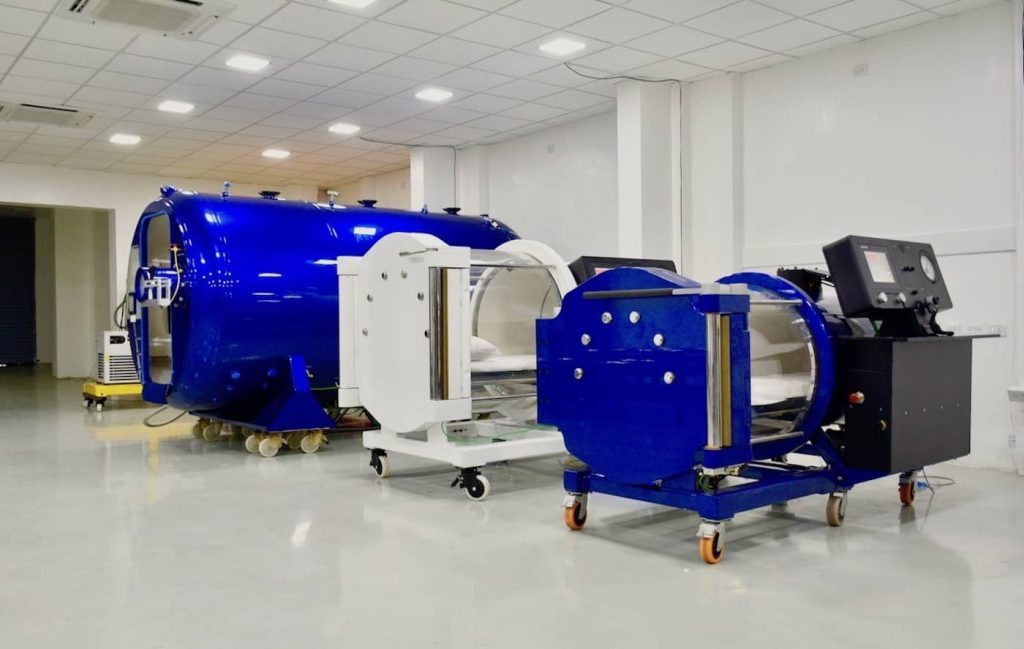
    The ACHM does not endorse low-pressure, fabric, inflatable, or consumer-grade chambers as medical hyperbaric chambers, nor do we support their inclusion in statutory definitions of HBOT.

    Regulatory and Safety Framework

    Medical hyperbaric chambers are regulated medical devices and must comply with established engineering and safety standards, including:

    FDA device regulations applicable to Class A and B hyperbaric chambers.

    NFPA 99 – Health Care Facilities Code and NFPA 101 – Life Safety Code, which govern facility safety, operations, and fire protection requirements.

    ASME-PVHO-1 standards, which apply to any human-occupied pressure vessel operating 1.4 ATA (2 psig over ambient) or above and establish minimum engineering, construction, and safety criteria for hyperbaric chambers.

    These standards form the foundation for safe medical practice and are essential for patient protection, facility accreditation, and regulatory oversight.

    Position of the ACHM on Low-Pressure Soft Chambers

    Low-pressure, fabric, inflatable chambers operating below 1.4 ATA are often marketed for sports recovery, wellness, or alternative medicine. ACHM’s position is as follows:

    1. Limited FDA Clearance

    These soft shell devices hold FDA 510(k) clearance only for Acute Mountain Sickness and are explicitly designed to be compressed with air only.

    They are prohibited by the FDA from use with supplemental oxygen.

    2. Do Not Meet Medical HBOT Criteria

    Medical HBOT requires:

    A therapeutic pressure ≥ 1.4 ATA
    The patient to breathe near 100% oxygen
    A chamber built to medical engineering standards (ASME-PVHO-1)
    Medical supervision by qualified personnel.

    Soft chambers fail to meet these requirements and cannot deliver the oxygenation levels necessary for any recognized medical indication.

    3. Not Designed or Constructed to Medical Standards

    Low-pressure inflatable devices:

    Are not built to ASME-PVHO-1 standards.
    Are not compatible with NFPA 99/101 facility requirements.
    Cannot be incorporated into a medically regulated hyperbaric program.

    4. No Evidence for Medical Indications

    There is no credible clinical evidence that exposure to pressures below 1.4 ATA breathing air provides therapeutic benefit beyond that of simple surface oxygen administration.

    5. Impossible to Track or Regulate

    Because soft chambers:

    Are sold outside clinical environments
    Lack standardized manufacturing oversight
    Are used off-label for a wide variety of unregulated indications

    They are not suitable for inclusion within a state-regulated medical hyperbaric framework.

    Definition of Medical Hyperbaric Oxygen Therapy (HBOT)

    The ACHM defines medical HBOT as:

    A medical intervention in which a patient breathes near 100% oxygen while fully enclosed in a hyperbaric chamber pressurized to ≥ 1.4 ATA, constructed to ASMEPVHO-1 standards, within a facility compliant with NFPA 99/101, and supervised by appropriately trained medical personnel.

    ACHM Recommendations:

    1. Medical HBOT should be strictly defined as treatment performed in ASME-PVHO-1, FDA 510K compliant hyperbaric chambers CLASS A OR B , that deliver ≥ 1.4 ATA with near 100% oxygen.

    2. Low-pressure, fabric, inflatable, or consumer-grade chambers should be explicitly excluded from the definition of HBOT and should not be authorized for clinical use.

    3. Only FDA-cleared, medically engineered hyperbaric systems should be recognized for use in licensed hyperbaric facilities.

    4. HBOT should be administered only under physician supervision or by trained nonphysician providers operating under appropriate medical direction.

    5. Facilities offering hyperbaric services should follow recognized hyperbaric safety codes and pursue national accreditation when applicable.

    Conclusion

    The ACHM strongly supports legislation that promotes patient safety and ensures that hyperbaric oxygen therapy is delivered only in environments that meet established medical, engineering, and regulatory standards. Low-pressure soft chambers do not meet these criteria, cannot be effectively regulated.

    Respectfully submitted,

    Tyler Sexton, MD, MAPWCA
    President, American College of Hyperbaric Medicine
  • Statement from the American College of Hyperbaric Medicine (ACHM)
    Statement from the American College of Hyperbaric Medicine (ACHM)
    Statement from the American College of Hyperbaric Medicine (ACHM)


    The American College of Hyperbaric Medicine (ACHM) is aware of recent correspondence issued by the
    National Board of Diving & Hyperbaric Medical Technology (NBDHMT) referencing a purported “5-minute
    response time” standard for hospital-based hyperbaric medicine programs. The communication further
    implied that Certified Hyperbaric Technologist (CHT) credentials may be at risk if institutions fail to comply
    with this expectation. The ACHM wishes to reaffirm that the NBDHMT functions as a certifying organization within the hyperbaric
    field, not as a regulatory agency or an authority having jurisdiction over hospital operations. While the
    ACHM values the NBDHMT’s longstanding contribution to professional education and credentialing, it does
    not possess statutory or enforcement authority to dictate operational or supervision standards within
    healthcare institutions. It is also important to emphasize that the Centers for Medicare & Medicaid Services (CMS) revised
    supervision requirements for hyperbaric oxygen (HBO₂) therapy in January 2020, transitioning from direct to
    general supervision under the Physician Fee Schedule. The ACHM continues to advocate that direct
    supervision remains the gold standard for ensuring patient safety, and many centers voluntarily uphold this
    practice. Nevertheless, each facility is responsible for defining and maintaining its own HBO₂ supervision
    and physician response parameters in alignment with CMS regulations, hospital policies, and medical staff
    governance. The concept of a universal “5-minute” response rule is not part of CMS policy and should not be
    construed as a federally or regulatory mandated standard. Many institutions appropriately define physician availability with terms such as “readily accessible,”
    “immediately available,” or “not concurrently scrubbed,” rather than by an arbitrary time frame. These
    individualized policies remain compliant when consistent with CMS definitions and institutional bylaws. The ACHM reaffirms that hyperbaric programs and operators—regardless of certification status—must
    function within their institution’s approved safety and supervision framework. Providers and technologists
    share responsibility for confirming that supervising clinicians meet established availability standards prior to
    treatment initiation. However, it is outside the operator’s role or authority to enforce requirements beyond
    what is formally adopted by their hospital or health system. No provider or technologist should face threats to
    their certification or professional standing when adhering to approved institutional policy and current CMS
    guidelines.Respectfully Tyler Sexton, MD, MAPWCA
    President, American College of Hyperbaric Medicine

  • Summit Hyperbarics & Wellness Joins the Idaho Outdoor Fieldhouse

    Summit Hyperbarics & Wellness Joins the Idaho Outdoor Fieldhouse

    ACHM Launches Clinical Hyperbaric Safety CAQ Program


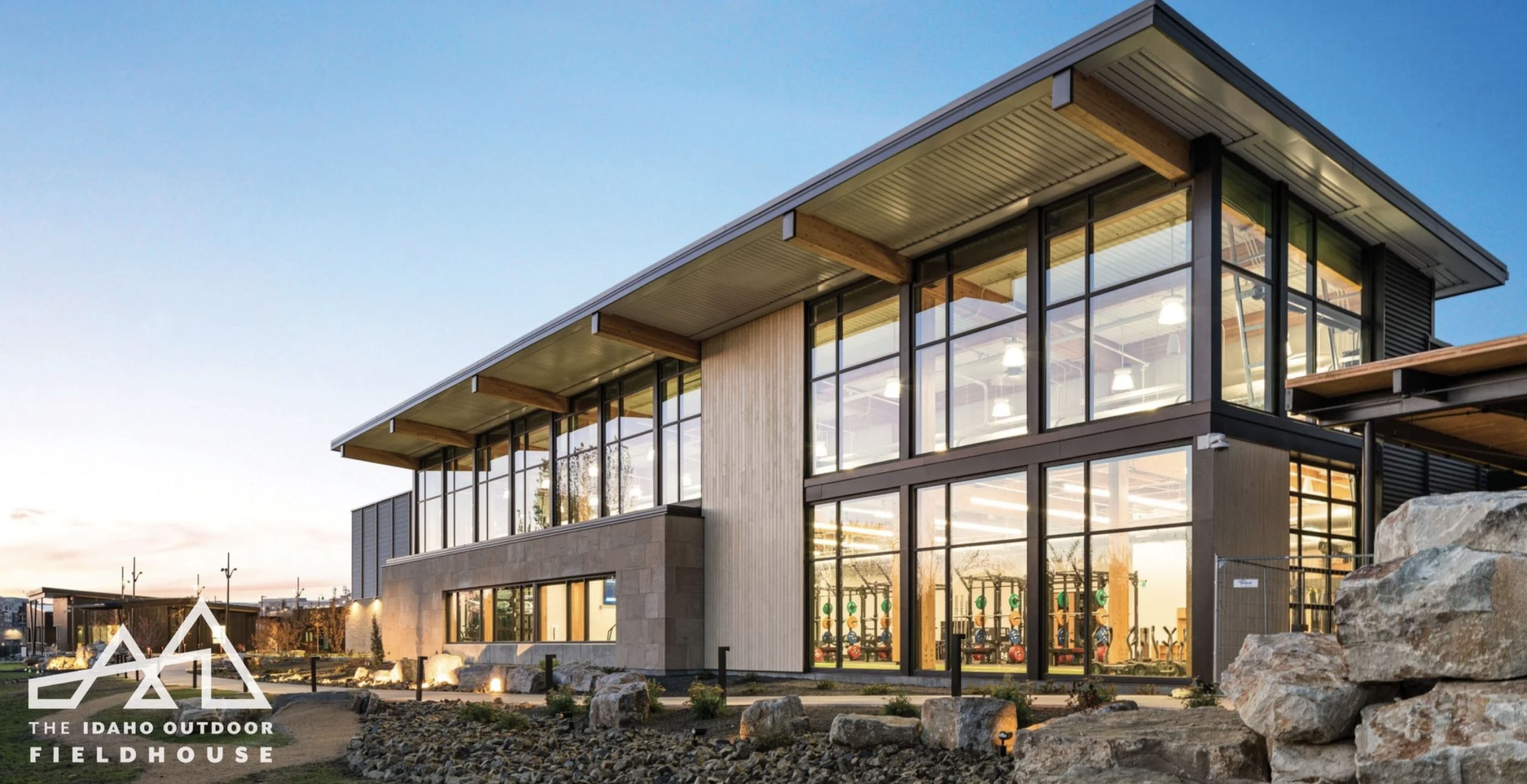
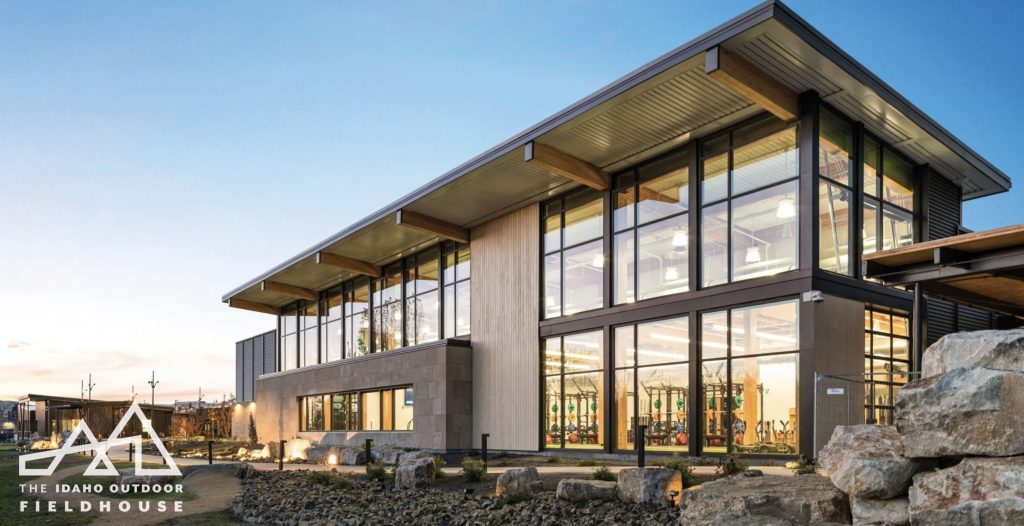
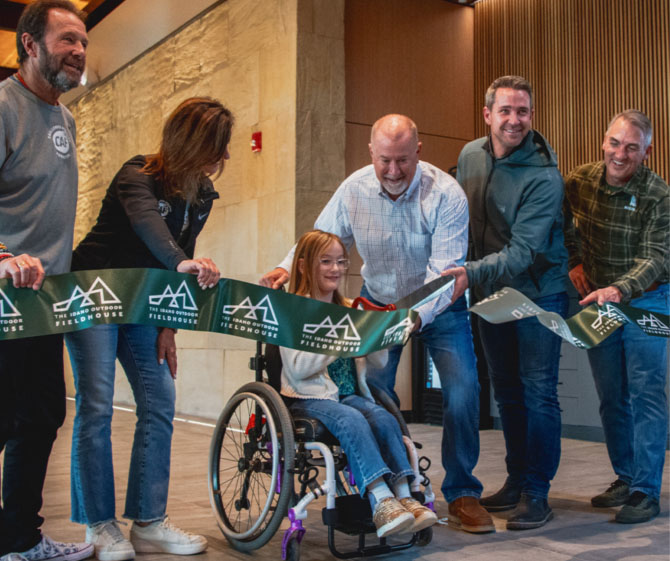
    Summit Hyperbarics & Wellness has joined the Idaho Outdoor Fieldhouse (IOF) in Boise, Idaho, bringing hyperbaric medicine services into a multidisciplinary campus designed to support military members, veterans, their spouses, and athletes with physical disabilities.

    The Idaho Outdoor Fieldhouse was developed with support from the J.A. & Kathryn Albertson Family Foundation and brings together recreation, athletic training, wellness resources, and collaborative organizations within a 75,000-square-foot facility located along the Boise River Greenbelt.

    The campus serves as a home for organizations including Mission43, Challenged Athletes Foundation – Idaho, and Summit Hyperbarics & Wellness, creating opportunities for collaboration across healthcare, wellness, adaptive athletics, and veteran support.

    ACHM Launches Clinical Hyperbaric Safety CAQ Program

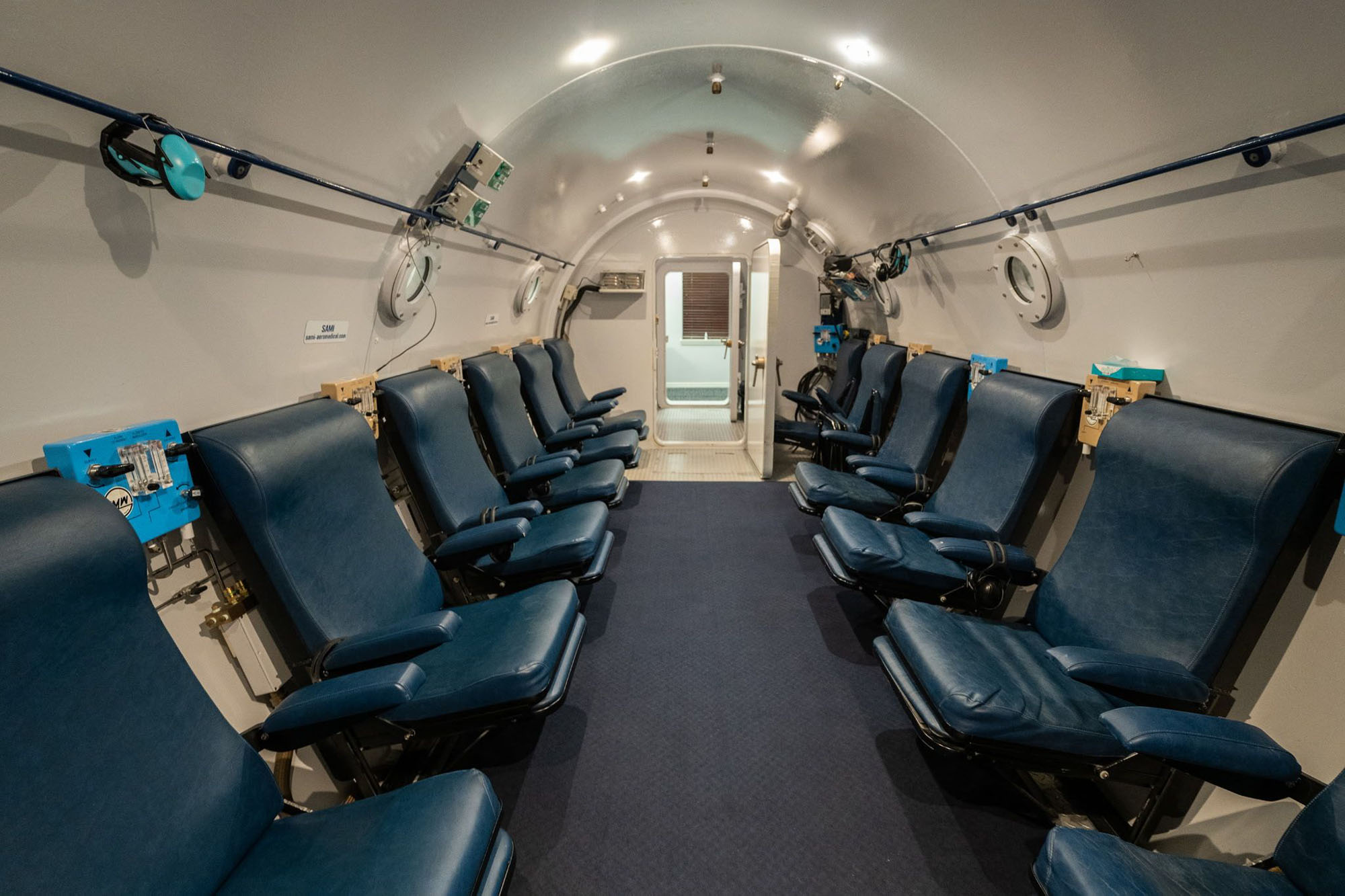
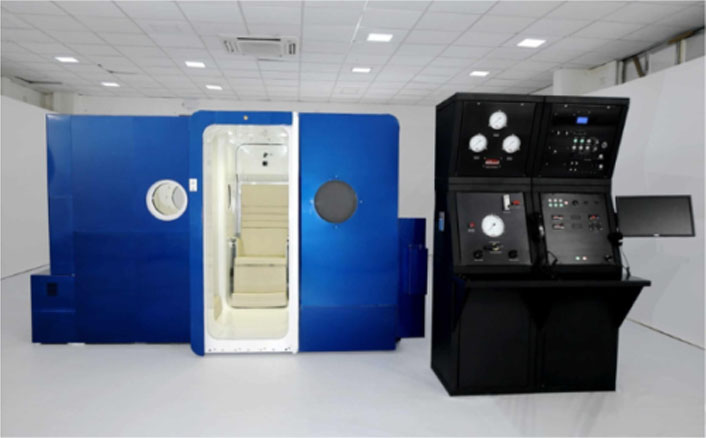
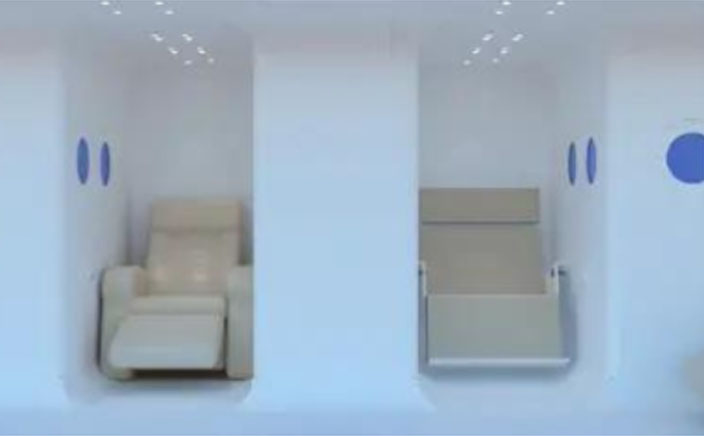
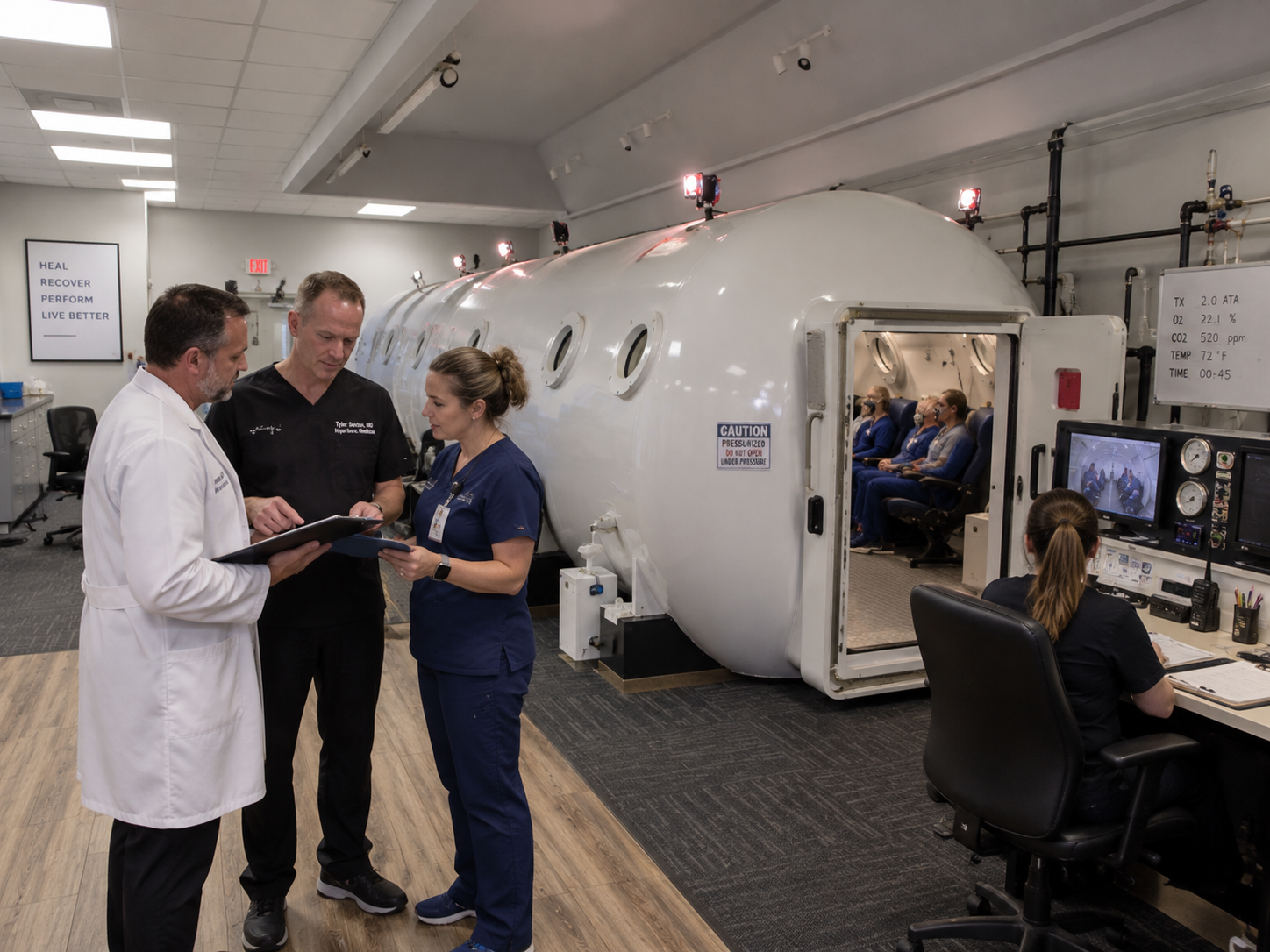
    Summit Hyperbarics & Wellness operates within the Fieldhouse with two eight-person modular hyperbaric chambers manufactured by TEKNA Manufacturing.

    The hyperbaric program is led by Steven Wyman, MD, a U.S. Army veteran, with support from Nursing Supervisor Bonnie Carns, RN, and Lead Hyperbaric Technologist and Safety Director Davin Strang, a U.S. Navy veteran.

    According to information provided at the time of the Fieldhouse opening, the program was developed in part to support veterans with post-traumatic stress disorder (PTSD) and mild traumatic brain injury (mTBI) through research protocols developed with guidance from experienced hyperbaric medicine professionals.

    Individuals identified as contributing expertise to the research-protocol development included:


    • George Wolfe

    • Lin Weaver

    • Daphne Denham

    • Rob Beckman

    • Jeffrey Niezgoda

    EDITORIAL NOTE: Treatment for PTSD and mTBI is being conducted under research protocols. This information is shared for educational and community awareness purposes and does not imply established clinical efficacy.

    ACHM Launches Clinical Hyperbaric Safety CAQ Program

    The Idaho Outdoor Fieldhouse was created to provide an inclusive environment where individuals with different physical abilities and backgrounds can access recreation, training, wellness, and community resources.

    Its partnerships bring together organizations serving:


    • Military members and veterans

    • Military spouses

    • Athletes with physical disabilities

    • Adaptive sports participants

    • Individuals participating in wellness and performance programs

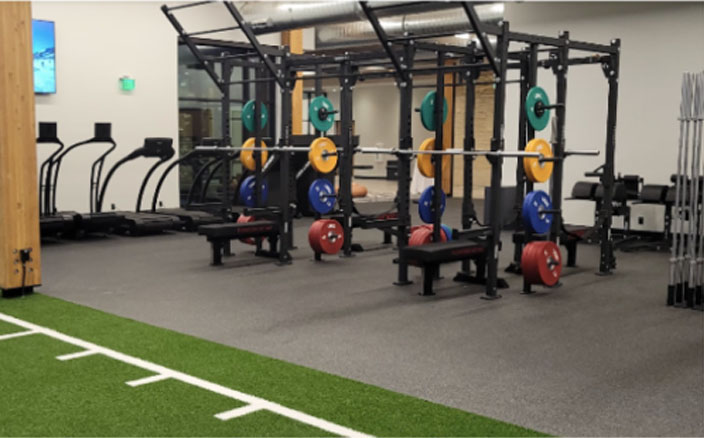
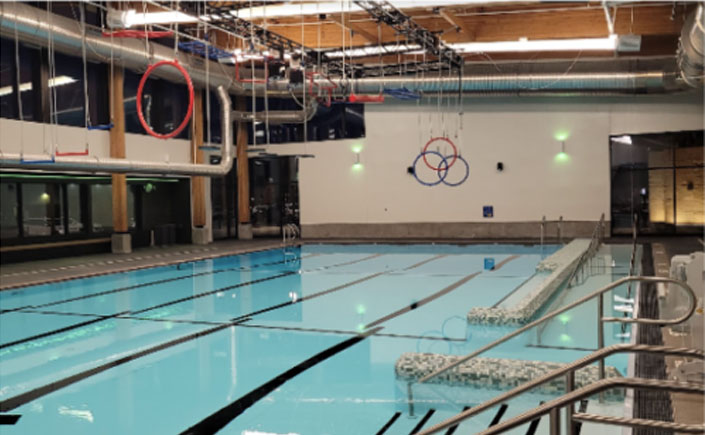
    The broader facility includes an aquatic center, gymnasium, climbing and functional fitness areas, an outdoor track, and other recreation and training resources.

    For the hyperbaric medicine community, Summit Hyperbarics’ involvement demonstrates how hyperbaric services can exist within a larger multidisciplinary environment that brings healthcare professionals, community organizations, researchers, veterans, and adaptive athletes together.

    Supporting Innovation Through Collaboration

    Roger Quarles, Executive Director of the J.A. & Kathryn Albertson Family Foundation, described the Fieldhouse as a campus created to expand opportunities and reduce barriers for people of differing abilities.

    The foundation, established in 1966, has supported initiatives throughout Idaho focused on learning, leadership, recreation, and opportunities for military-connected communities.

    The Idaho Outdoor Fieldhouse represents one example of how organizations with different areas of expertise can work within a shared environment to support health, performance, research, recreation, and community participation.

    Learn More

    To learn more about the Idaho Outdoor Fieldhouse and its participating organizations, visit the respective organizations directly:

  • Advancing Education in Hyperbaric Medicine

    Advancing Education in Hyperbaric Medicine

    FOR IMMEDIATE RELEASE

    Contact: American College of Hyperbaric Medicine
    Email: admin@achm.org
    Website: ACHM.org

    American College of Hyperbaric Medicine Launches Clinical Hyperbaric Safety CAQ Program

    Facility-level accreditation program focuses on patient safety, clinical standards, team competency, and operational preparedness in hyperbaric care.

    WEST ALLIS, WI – NOVEMBER 17, 2023 — The American College of Hyperbaric Medicine (ACHM) has launched the Clinical Hyperbaric Safety Certificate of Added Qualification (CAQ), a facility-level accreditation program designed to support safety, quality, and operational preparedness in clinical hyperbaric oxygen therapy programs.

    The Clinical Hyperbaric Safety CAQ provides qualifying facilities with a structured process for demonstrating their commitment to patient safety, staff competency, clinical standards, emergency preparedness, and ongoing quality improvement.

    The program was developed through the work of the ACHM Safety CAQ Committee and is supported by the College’s broader commitment to safe, evidence-based hyperbaric medicine.

    A Structured Approach to Hyperbaric Facility Safety

    Safe hyperbaric care requires more than appropriate equipment. It depends on trained professionals, clearly defined responsibilities, documented clinical and operational procedures, emergency preparedness, quality oversight, and an organizational culture focused on safety.

    The Clinical Hyperbaric Safety CAQ evaluates key areas of facility readiness, including:


    • Leadership and governance

    • Staff education, training, and competency

    • Clinical policies and safety protocols

    • Hyperbaric chamber operations

    • Emergency preparedness

    • Equipment and operational safety

    • Risk-management practices

    • Quality monitoring and continuous improvement

    Facilities that successfully complete the review process receive ACHM Clinical Hyperbaric Safety CAQ recognition.

    Supporting a Culture of Safety

    The program is intended to help hyperbaric facilities evaluate and document the systems that support safe, organized, and responsible patient care.

    Tom Fox, CHT, Chairman of the ACHM Safety CAQ Committee, emphasized the importance of a structured safety program for clinical hyperbaric facilities.

    Built on ACHM Safety Guidance

    The Clinical Hyperbaric Safety CAQ is supported by the ACHM Safety Consensus Document for Safe Operations in Clinical Hyperbaric Oxygen Therapy.

    The consensus document provides a framework for safe clinical hyperbaric operations and addresses areas such as:


    • Hyperbaric staffing roles and responsibilities

    • Education and training

    • Equipment and facility considerations

    • Therapeutic gas supply

    • Risk management

    • Standard operating procedures

    • Emergency procedures

    First Facilities Enter the Review Process

    At the time of the program’s launch, Summit Hyperbaric in Boise, Idaho, and Brevard Regional Hyperbaric Center in Melbourne, Florida, were identified as the first facilities scheduled to participate in Safety CAQ site evaluations.

    Their participation marked the beginning of the facility-review process for the newly launched program.

    This wording is preferable to saying the visits are still “scheduled,” because the press release may remain accessible long after those evaluations have occurred.

    Who Can Apply

    The Clinical Hyperbaric Safety CAQ is available to qualifying hospital-based, office-based, and free-standing hyperbaric facilities. Current eligibility requirements, application criteria, and supporting documentation are available on the ACHM Facility Accreditation page.


    Learn More About Eligibility and the Application Process


    “The ACHM has always advocated for excellence in hyperbaric medicine. Safety is critical to achieving optimal outcomes. I invite all hyperbaric facilities to attain ACHM Safety CAQ accreditation.”

    Tyler Sexton, MD

    President, American College of Hyperbaric Medicine

    About the American College of Hyperbaric Medicine

    The American College of Hyperbaric Medicine (ACHM) is a physician-led professional organization advancing safe, evidence-based hyperbaric medicine through education, professional development, clinical leadership, safety, and collaboration.

    Founded in 1983, ACHM serves a multidisciplinary professional community committed to the continued advancement of hyperbaric medicine and responsible patient care.

    For more information, visit ACHM.org.

    Applications

    ACHM is accepting applications from qualifying hyperbaric facilities interested in pursuing Clinical Hyperbaric Safety CAQ recognition.

    Facilities should review the current eligibility, documentation, evaluation, and application requirements before submitting.


    Review Requirements and Apply

    Media Contact
    American College of Hyperbaric Medicine
    admin@achm.org
    ACHM.org